
tl;dr Have you ever wondered, as I have, what Columbo can teach us about being an effective Software Consultant? 🕵️ Yes? Then wonder no more. In this article, I discuss the ideas in Patrick Lencioni’s The Ideal Team Player and show how Columbo embodies the traits of being humble, hungry, and smart. These traits can help create a productive environment, drive continuous improvement, and help build high-performing teams.
I created this article, but it has been reviewed and refined with help from AI tools: ChatGPT and Grammarly.
Introduction
Growing up, I used to enjoy watching early morning Sunday TV re-runs of classic shows like Land of the Giants, Voyage to the Bottom of the Sea, and Lost in Space. Another particular favourite was Columbo. There was something incredibly satisfying about seeing rich, arrogant villains underestimate him, only to be brought down by his relentless pursuit of the truth. Usually, all other fictional detectives (Poirot, Sherlock Holmes, Luther) are “Brilliant Jerks”. Columbo was interesting because he was the best detective in the world but seemingly didn’t even realise it. He treated everyone with respect, even when they didn’t necessarily deserve it.

As a software consultant and a leader of development teams, I often think about how I can be more effective in my role and how I can help others to be more effective. I have found the books of Patrick Lencioni, since being referred to his book The Five Dysfunctions of a Team by a colleague, to be particularly insightful and useful.
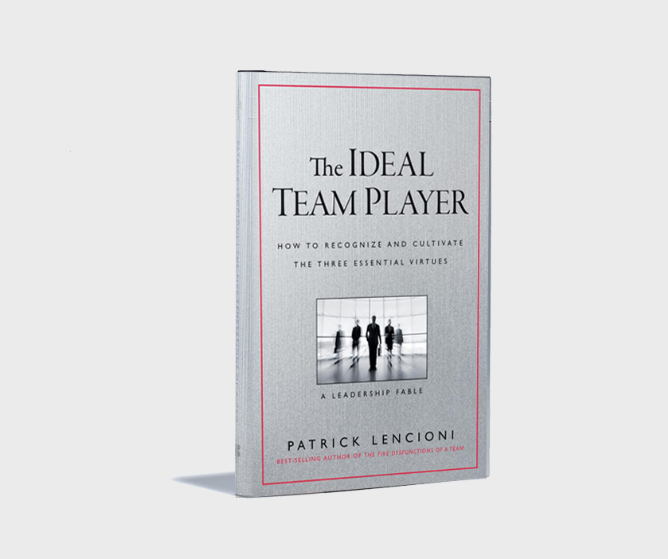
One book in particular resonated with me: The Ideal Team Player. In it, Lencioni suggests that the ideal team player has three qualities: they are humble, hungry, and smart. This immediately made sense to me. All the people I’ve enjoyed working with over the years and learned the most from, and who have had the biggest impact on my career, have all had these three qualities. Also, while reading this book, it came to mind how Columbo also possesses these three traits. Read on as I continue to draw tenuous links between the two.
Humble
Being humble in software development means being open to feedback, recognising the value in the contributions of others, and continuously seeking to learn and grow.
Whether you’re a developer or a team leader, being humble means being open to feedback from peers, acknowledging your mistakes, and genuinely listening to the people around you. It also means recognising that you don’t have all the answers and being willing to ask questions and admit when you don’t know something. When team members feel their input is valued, they are more likely to share ideas and collaborate effectively. This openness creates a culture of continuous improvement and mutual respect.
Columbo was the master of this. He never tooted his own horn. He remained polite, almost deferential, allowing others to feel in control. Suspects constantly underestimated him because of his rumpled trench coat and bumbling manner - and that was exactly his advantage. He didn’t need to prove he was the smartest person in the room. The same applies to consulting. The best consultants I’ve worked with never lead with their credentials or assert their status. They focus on solving the problem and let the results speak for themselves. Despite his humility, Columbo was not weak or feeble - he would stand up for himself and speak directly when necessary. Humility and strength aren’t opposites.
“Humility is not thinking less of yourself, it’s thinking of yourself less.” - C.S. Lewis
Occasionally, I or my team receive recognition via our company’s internal “Appreciate” site. Don’t get me wrong, it feels good to be recognised from time to time. Sometimes, though, if an individual is being recognised, it can point to a dysfunction of the team. Columbo never sought the spotlight - solving the case was the reward. I’d much rather see a team being recognised than an individual.
Hungry
Being hungry in software development means having a drive to learn, improve, and take on new challenges.
Columbo’s hunger for the truth drove him to pursue every lead, no matter how small. He was relentless, always asking “just one more thing”. This curiosity and drive to solve the case set him apart from others.
In our field, being hungry means having a “growth mindset” - a strong desire to learn and improve continually. It’s about being proactive, seeking out new challenges, and never settling for mediocrity. A hungry consultant doesn’t wait for tasks to be assigned. They identify areas where they can contribute and take the initiative. A hungry leader encourages team members to pursue their professional development and provides opportunities for learning and growth.
“If you want to build a ship, don’t drum up people to collect wood and don’t assign them tasks and work, but rather teach them to long for the endless immensity of the sea.” - Antoine de Saint-Exupéry
Think about how Columbo would return to the crime scene over and over, noticing details everyone else had missed. The best developers I’ve worked with do the same thing - they dig past the surface-level answer, revisit their assumptions, and keep pulling at threads until they truly understand the problem. Over the years, I think my sense of my own competence has changed a lot. You realise that as you gain more knowledge and experience, just how much is still out there that you know nothing about. Like Columbo on his cases, it’s a never-ending pursuit.
Smart
Being smart in software development means going beyond technical expertise to include emotional intelligence, good communication, and an understanding of the needs of the team.
Watch how Columbo operates in any episode. Before he asks the hard questions, he puts people at ease - chatting about “Mrs Columbo”, his dog, or some trivial personal detail. It looks like small talk, but it’s deliberate. He’s building rapport, reading the room, and getting people to lower their guard. That’s not just detective work - it’s a masterclass in stakeholder management.
Being smart in the context of Lencioni’s model isn’t just about technical knowledge, it’s about emotional intelligence. It’s about understanding your team and dealing with the complexity of working together with other humans. Columbo also had a knack for playing dumb to get people to explain things to him in detail. There’s a lesson there for consultants too - sometimes the smartest thing you can do is ask someone to explain it to you, rather than proving you already know the answer. You’ll often learn something you didn’t expect.
“The single biggest problem in communication is the illusion that it has taken place.” - George Bernard Shaw
Despite them being referred to as “soft skills”, for me, they have been the hardest to develop. With practice and effort, you can improve these “smart” skills and use them to build trust, build relationships, deliver better project outcomes, and ensure you’re steering the ship that is your own career in a deliberate direction.
Conclusion
So, what can Columbo and Patrick Lencioni teach us about being a software consultant? Just like Columbo, the most effective software consultants are those who are humble, hungry, and smart. These traits help us build stronger teams and deliver outstanding results for our clients. By embracing these qualities and channelling our inner Columbo 🕵️ we can create a culture of continuous improvement and respect.
“Just one more thing…” - thanks for reading.